
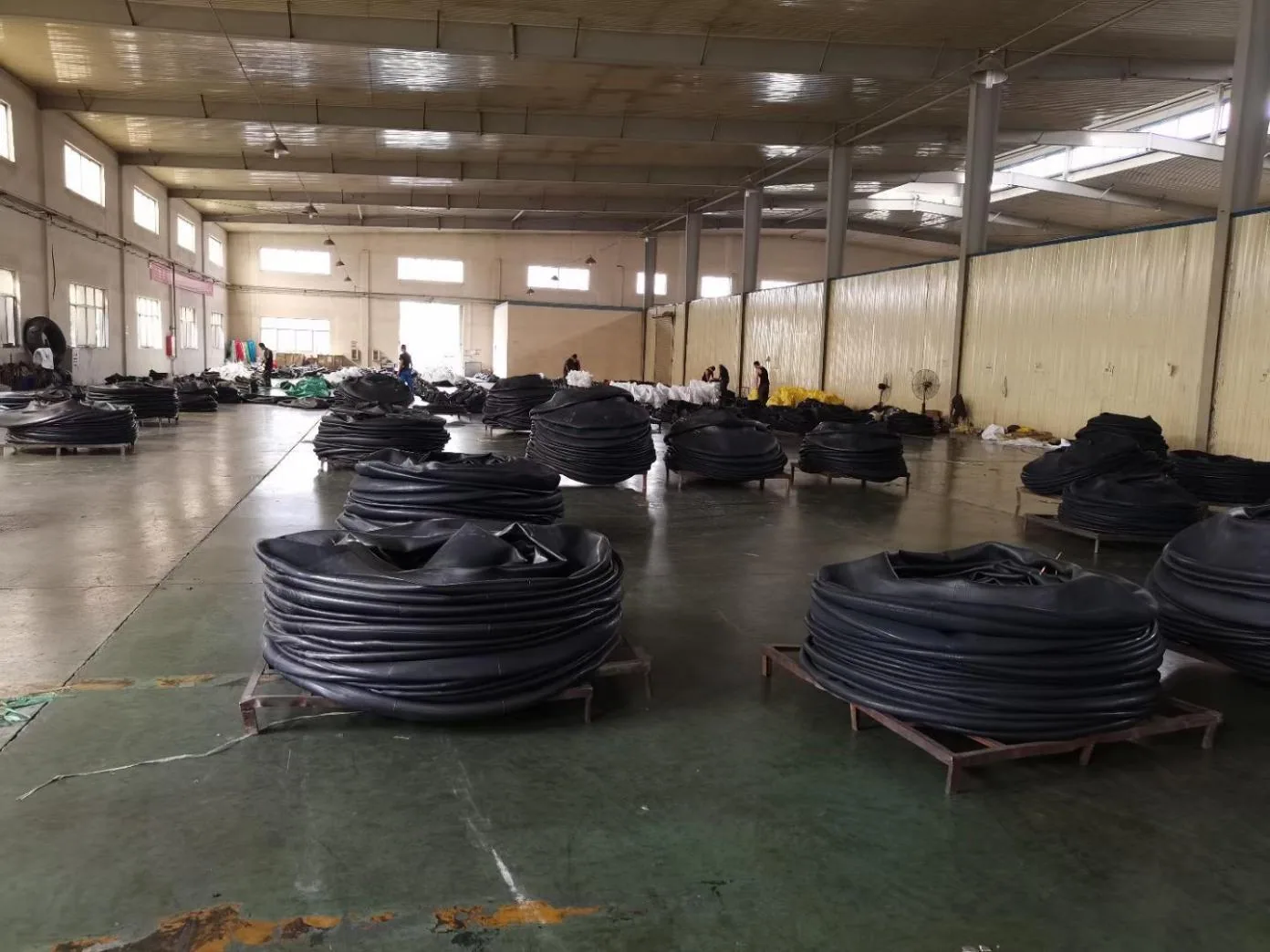
As the European Union prepares for the next stage of implementing the EU Deforestation Regulation, rubber-product importers are paying closer attention to material traceability, supplier records and product classification.
The regulation covers natural rubber and a range of rubber-derived products. Its purpose is to prevent commodities and products linked to recent deforestation or forest degradation from entering or leaving the EU market.
Following amendments agreed in 2025, the regulation is scheduled to apply from 30 December 2026 for large and medium-sized operators. Most micro and small operators are scheduled to follow from 30 June 2027. The European Commission has also continued updating product-scope guidance and its supporting information systems.
For inner tube buyers, the practical question is not simply whether a supplier sells natural-rubber products. Importers also need to determine the correct customs classification, whether the product remains within the applicable scope, and what information may be required from each participant in the supply chain.
Three questions to address first
Why rubber traceability matters to inner tube procurement
The original EUDR product list includes natural rubber and several rubber-product categories. Rubber inner tubes appear under customs heading 4013 in the original Annex I. However, the EU has continued refining the scope and treatment of downstream rubber products. Buyers should check the latest legislation and customs classification applicable to their products instead of relying only on an older product list.
This distinction is especially relevant when a purchasing programme contains both butyl-rubber and natural-rubber inner tubes. Butyl rubber is a synthetic material, while natural rubber is derived from rubber trees. A 2026 European Commission clarification identifies the rubber commodity concerned as rubber from Hevea brasiliensis and states that synthetic rubber products are not included under that commodity definition.
A buyer should therefore avoid treating every inner tube as having the same regulatory profile. Material composition, product classification and the current scope of the regulation all need to be reviewed.
Five checks for inner tube importers
- Confirm the rubber material.Identify butyl rubber, natural rubber or another agreed compound in the quotation, purchase specification and contract.
- Verify the customs classification.Confirm the appropriate code with a customs or compliance adviser using the actual product and current tariff rules.
- Separate natural- and synthetic-rubber records.Keep material, size, valve, quantity, batch and destination data connected to each line item.
- Ask what supplier information is available.Determine which supporting information is relevant and which party is responsible for each submission.
- Review requirements before shipment.Resolve classification, documentation and product-specification questions before goods reach the destination port.
A practical buying-list structure
Clear line-item records help connect compliance work to the physical product. A useful inner tube buying list can include:
| Product field | Why it matters |
|---|---|
| Inner tube size and application | Identifies the product being purchased. |
| Rubber material | Separates natural-rubber and synthetic-rubber specifications. |
| Valve specification | Connects the product record to the confirmed rim requirement. |
| Product or customs code | Supports classification review by the responsible adviser. |
| Quantity, batch and supplier | Links commercial and traceability records. |
| Destination market | Identifies the regulatory and documentation context. |
What this means for JABIL inner tube enquiries
JABIL supplies inner tubes for motorcycle, passenger and light-truck, truck and bus, agricultural, tractor, OTR, forklift and industrial applications.
Buyers can identify a required size through the JABIL Tube Finder and then submit a quotation request containing quantity, destination, rubber material, valve and packing requirements.
For customers reviewing EUDR-related responsibilities, the first practical step is to separate butyl-rubber and natural-rubber products in the buying list. The applicable legal and customs requirements should then be confirmed by the importer or an authorised compliance adviser for the destination market.
Prepare early, but verify the current rules
EUDR implementation and product-scope guidance have changed several times. Importers should work from the latest official EU publications rather than older summaries or general assumptions about rubber products.
Primary references include the European Commission’s July 2026 implementation update, the original Regulation (EU) 2023/1115, and the Commission’s EUDR information page.
Preparing a buying list?
Connect material records to the product specification.
Send JABIL the sizes, quantities, destination, rubber material, valve and packing requirements for quotation review.