
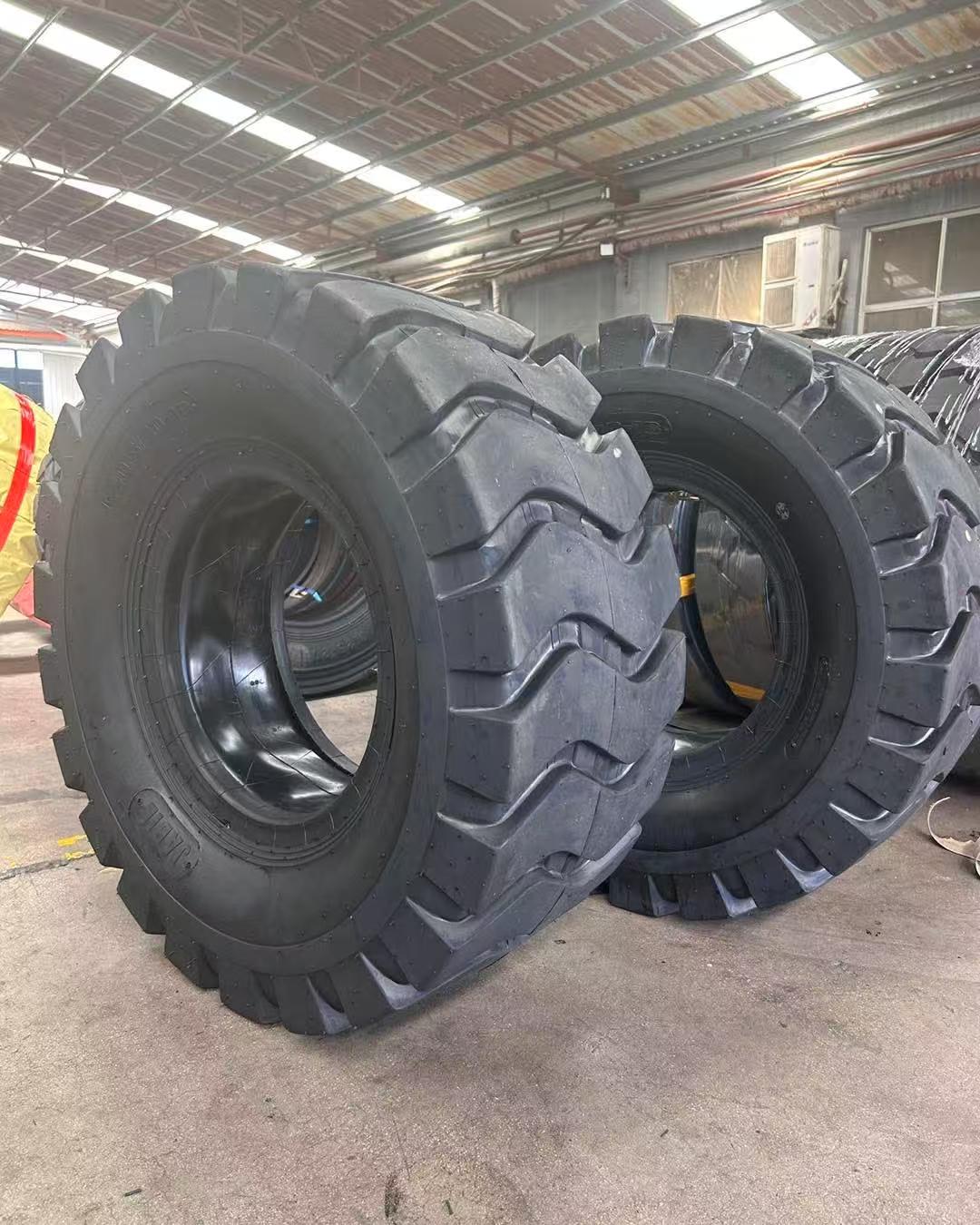
Choosing an inner tube looks simple until the markings do not match word for word. A tyre may be marked 12.00-20, a purchasing list may say 1200-20, and a tube carton may show several compatible sizes. All three can refer to the same fitment family, but size alone is not enough to confirm the correct tube.
A reliable match has three parts
Material, service conditions and flap selection come after those three checks. This guide explains the process used by tyre dealers, fleet buyers and equipment owners when they need to identify a tube accurately.
Start with the marking on the tyre
The tyre sidewall is the best starting point. Read the complete size, not just the last number.
Consider 12.00-20. The 12.00 is the nominal section width in inches, while 20 is the nominal rim diameter in inches. You may also see 12.00R20. The R describes radial tyre construction. It does not change the 20-inch rim diameter, but it does not automatically prove that every tube marked 12.00-20 is suitable. The tube manufacturer's dimensional coverage and the tyre or equipment maker's recommendations still take priority.
In purchasing documents, punctuation is often removed. That is why 12.00-20, 1200-20 and sometimes 12.00 R 20 appear in the market. Treat these as search aliases, then confirm the fitment against a compatibility table.
Metric motorcycle markings follow a different pattern. On a tyre marked 90/90-18, 90 is the nominal width in millimetres, the second 90 is the aspect ratio, and 18 is the rim diameter in inches. A suitable tube may list 90/90-18 directly or include it within a dimensional coverage range.
A practical inner tube size chart
The chart below is a reading guide, not a universal interchange table. Final compatibility depends on the tube specification and the valve required by the rim.
| Tyre marking | Confirm first | Rim | Tube listing |
|---|---|---|---|
2.75-18 | 2.75-inch nominal width | 18 in | Size or coverage range includes 2.75-18 |
90/90-18 | 90 mm width / 90 aspect ratio | 18 in | Coverage includes 90/90-18 |
7.50-16 | 7.50-inch nominal width | 16 in | Approved for 7.50-16 |
12.00-20 | 12.00-inch nominal width | 20 in | Specification includes 12.00-20 |
18.4-30 | Agricultural tyre size | 30 in | Approved size and correct agricultural valve |
One tube can cover more than one tyre size. That is normal: an uninflated tube is designed to expand within a controlled range. The useful information is the manufacturer's printed coverage, not whether the wording on the tube and tyre is identical.
The opposite is also true. A tube should not be forced into a size outside its stated range. If it is too small, it may be overstretched. If it is too large, it can fold or crease inside the tyre. Either condition can generate heat and premature failure.
Match the rim diameter exactly
The final number in the examples above is the rim diameter. It is the first dimension that must agree. An 18-inch tube belongs to an 18-inch fitment range. It should not be installed on a 17-inch or 19-inch rim simply because the tyre width appears close. Width coverage can span several adjacent tyre sizes; rim diameter cannot be treated that way.
For commercial and agricultural wheels, also record the full rim designation when it is available. Rim width, contour, valve-hole location and whether the wheel uses a one-piece or multi-piece construction can affect the component choice. Large tube-type assemblies may also require a flap to protect the tube from the rim and its hardware.
If the rim marking is hidden by rust, paint or dirt, clean the identification area before ordering. Measuring an assembled wheel from the outside is not a dependable substitute for reading the rim or equipment specification.
Choose the valve from the rim, not from habit
Two tubes with the same size coverage may use different valves. The correct choice depends on valve-hole diameter, straight or bent stem, stem length and angle, valve position, inflation requirements and whether an air/water valve is needed for liquid ballast.
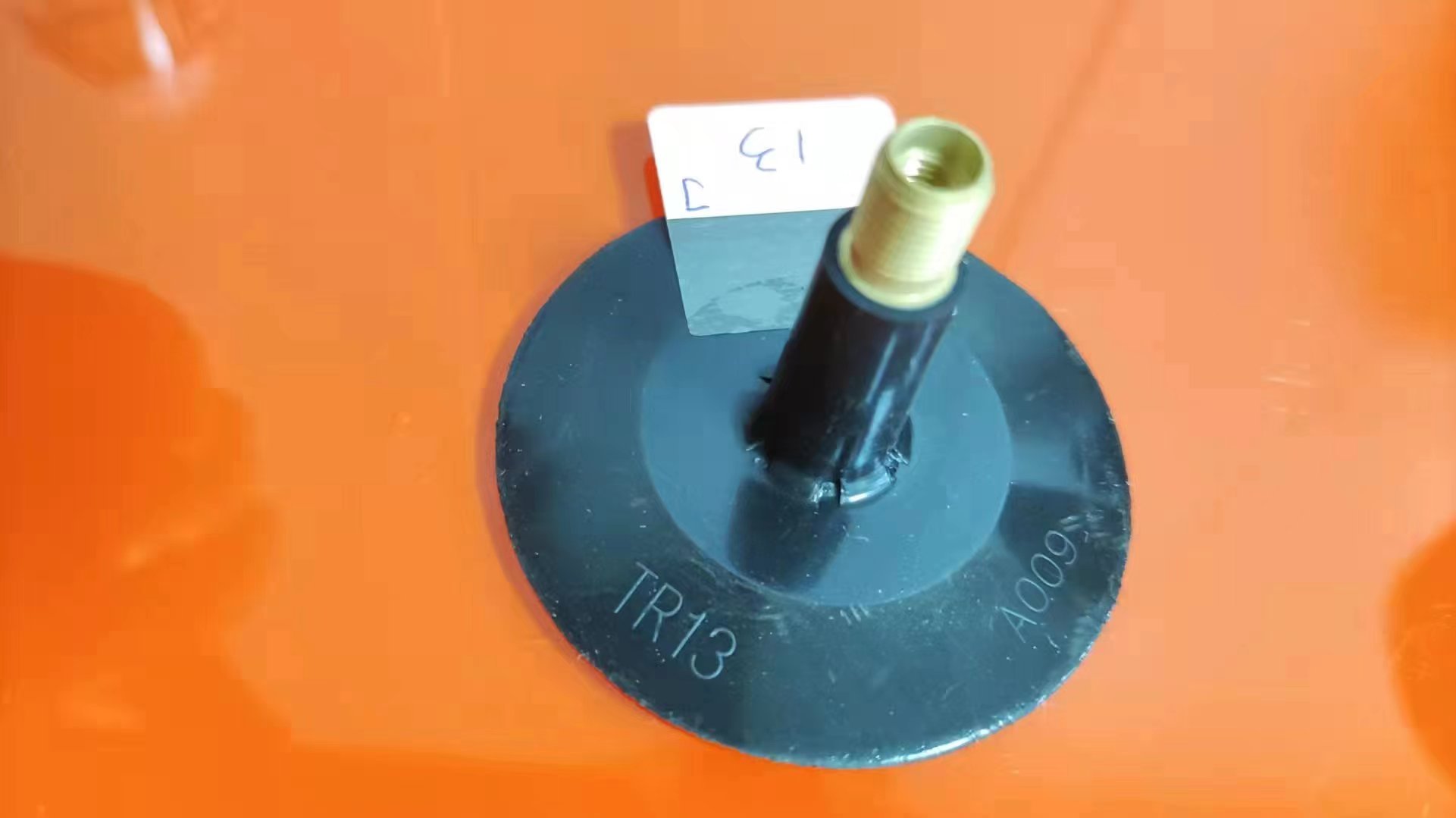
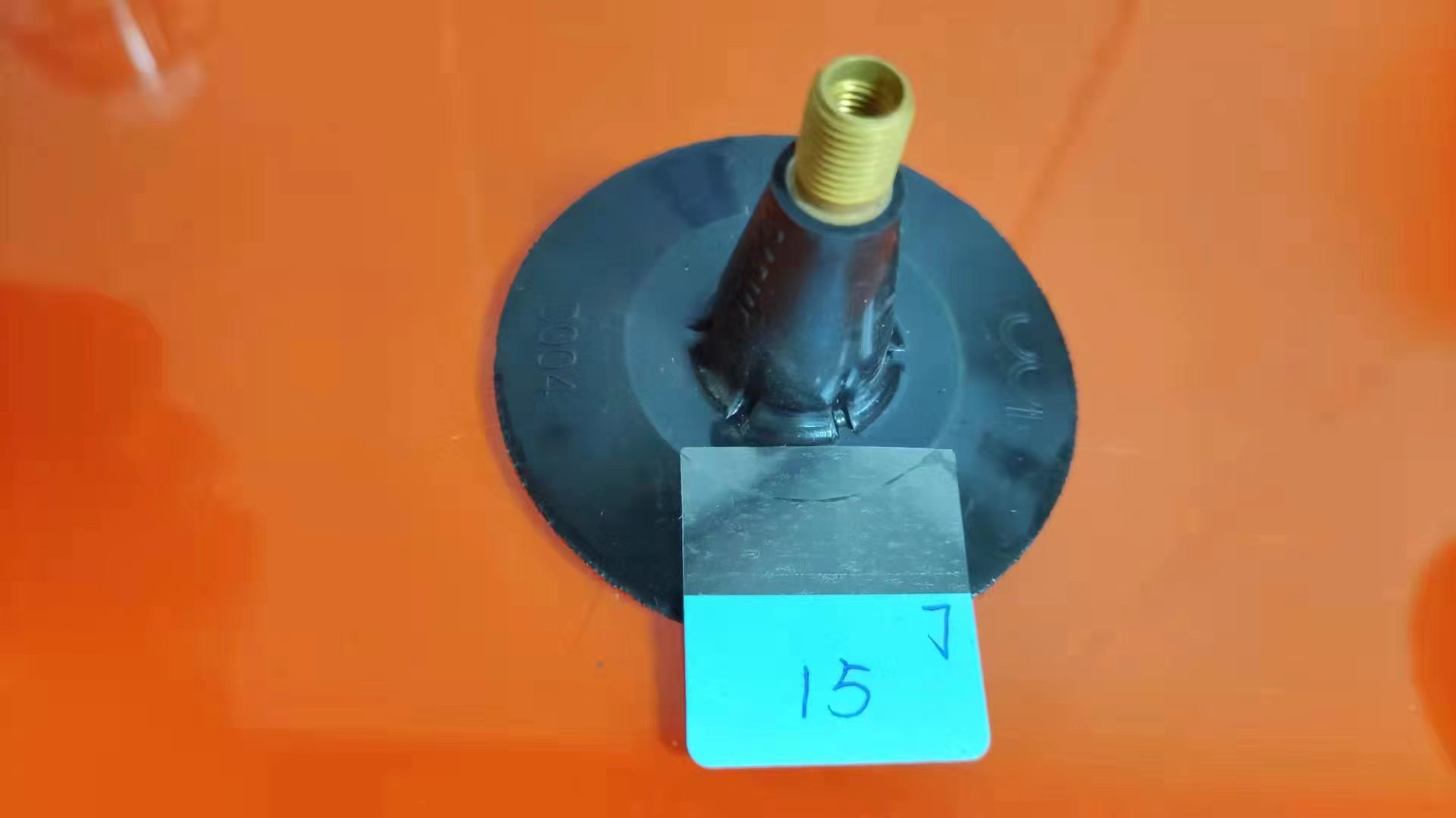
| Valve | ETRTO reference | Nominal length | Nominal rim hole |
|---|---|---|---|
| TR13 | V2-01-1 | 35 mm | 11.5 mm |
| TR15 | V2-01-2 | 35 mm | 16 mm |
The practical difference between TR13 and TR15 is not simply “small tyre versus large tyre.” It is the valve-to-rim interface. Ordering TR13 because it is familiar can leave excessive clearance in a rim designed for TR15. Ordering TR15 for an 11.5 mm hole creates the opposite problem.
Other applications use different valve families. TR4 is widely found in motorcycle tube ranges. Agricultural fitments may use an air/water valve such as TR218A where liquid ballast is part of the operating setup. Truck, bus and OTR assemblies can require bent metal valves so the inflation point remains accessible after the wheel is mounted. JABIL valve availability follows the range published in our current website catalogue.
Application-specific checks
Motorcycle inner tube sizes
Motorcycle tubes show why dimensional coverage matters. A single 18-inch tube model may cover several inch and metric tyre markings, while another 18-inch tube is intended for a narrower or wider group. Record the complete front or rear tyre size, rim diameter, valve type, duty level and whether the motorcycle is used on road or off road.
Heavy duty is not automatically the best answer for every motorcycle. Additional thickness changes weight and heat behaviour, and the choice must suit the tyre, rim and intended use.
Truck and bus inner tube sizes
A useful enquiry should contain more than “20-inch truck tube.” Provide the full tyre size—such as 9.00-20, 10.00-20 or 12.00-20—together with the required valve code.
The flap is a separate matching item. It must protect the tube from the rim base and components without interfering with the tyre bead. When a tube and flap are ordered together, specify both against the same tyre and rim assembly.
Agricultural inner tube sizes
Agricultural tyres add another layer of variation. Older inch markings, metric sizes, different rim contours and liquid-ballast requirements may appear in the same fleet. For a tyre such as 18.4-30, the 30-inch rim diameter is clear, but the order remains incomplete until the valve and rim are confirmed.
Do not choose an agricultural tube from tractor model alone. Machines can be fitted with optional wheel packages, and tyres may have changed during their working life. Read the tyre and rim actually installed on the equipment.
Material comes after fitment
JABIL supplies both butyl and natural rubber inner tubes. Material affects air retention, flexibility, heat behaviour and service characteristics, but it cannot correct a wrong size or valve. Availability by size, application and valve combination should be confirmed when the order is placed.
For OEM and distributor orders, material should be written as a separate specification rather than embedded in a vague name such as “heavy-duty rubber tube.” Heavy duty describes a construction or performance requirement; it is not a third rubber type.
Five checks before placing an order
- Read the complete tyre marking.Photograph it if the punctuation is unclear.
- Confirm the rim diameter and marking.Never estimate from the outside diameter of the wheel.
- Check dimensional coverage.Do not assume that similar-looking sizes interchange.
- Identify the valve and rim hole.Include the stem angle where a bent valve is used.
- Confirm the rest of the assembly.Specify flap, material, duty level, packing and quantity separately.
Information to send with an RFQ
A clear request produces a faster and more accurate quotation. Include the application, full tyre size, rim designation, valve code or photograph, material preference, duty requirement, matching flap, quantity, destination and private-label requirements.
If the valve code is unknown, include photographs of the tyre marking, rim marking and existing valve. Those three images are more useful than a general photograph of the vehicle.
Need help matching a tube?
Send the size. We'll check the fitment.
Use the Tube Finder or send your tyre sizes, valve requirements and order quantity to the JABIL team.
Frequently asked questions
Can one inner tube fit several tyre sizes?
Yes. Many tubes have a dimensional coverage range. Use only the tyre sizes listed or approved by the tube manufacturer, and keep the rim diameter and valve requirements consistent.
Are 12.00-20 and 1200-20 the same size?
1200-20 is commonly used as a punctuation-free purchasing or search format for 12.00-20. Confirm the actual tyre marking and the tube compatibility listing before ordering.
Can I fit an 18-inch tube in a 17-inch tyre?
No. The tube must match the rim-diameter family. A nearby width does not make a different rim diameter acceptable.
What is the difference between TR13 and TR15?
Both are straight rubber-covered tube valves with a nominal length of 35 mm. TR13 corresponds to an 11.5 mm rim hole, while TR15 corresponds to a 16 mm rim hole.
Does a tubeless tyre ever use an inner tube?
Only where the tyre and rim manufacturers permit that combination and the correct tube is used. A tube should not be added simply to conceal tyre or rim damage.
Should I always choose a heavy-duty tube?
No. Duty level must suit the application and approved fitment. More material is not a substitute for correct sizing, pressure, rim condition and installation.