
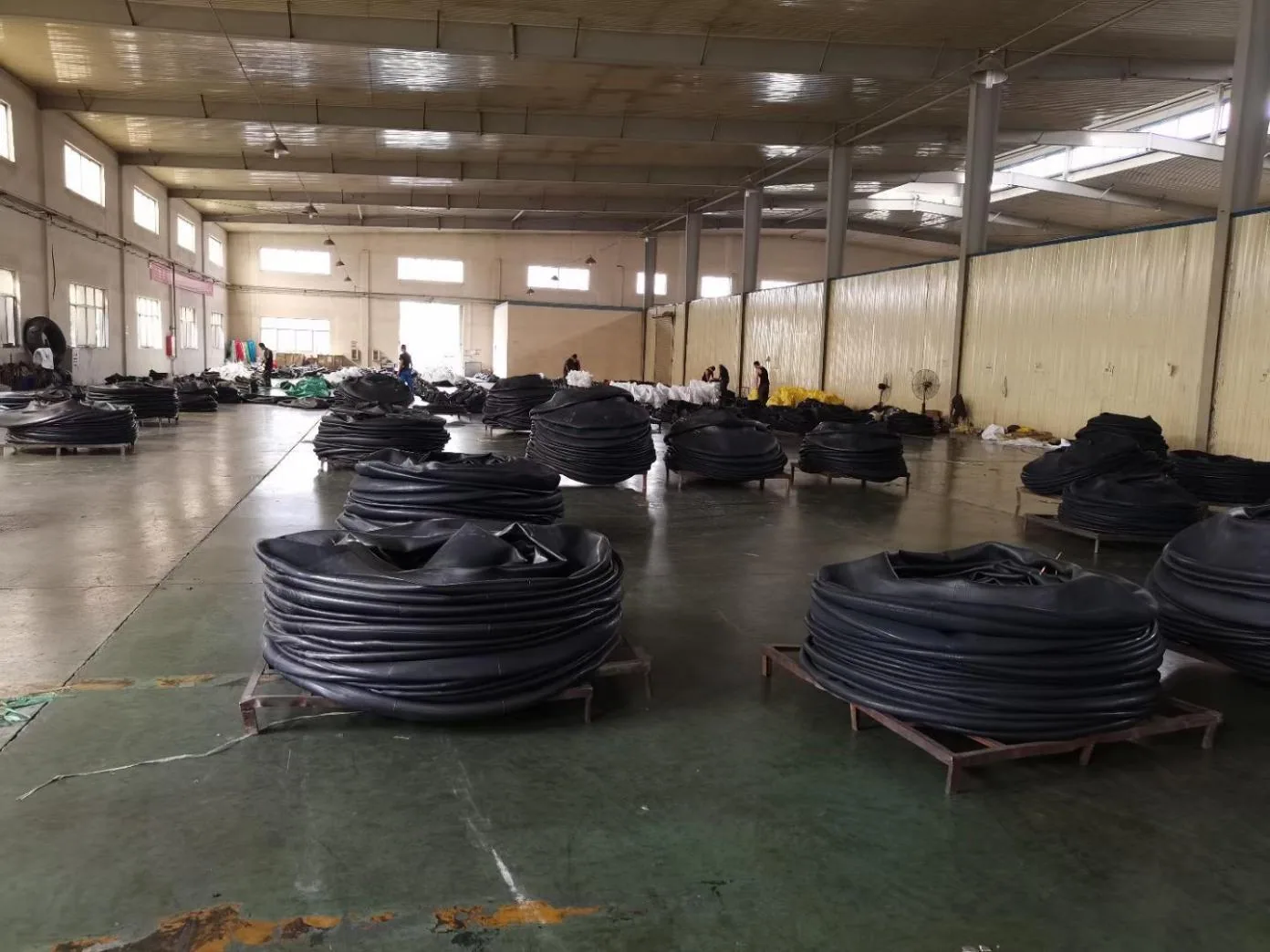
Natural rubber prices strengthened during parts of 2026 while global production and consumption remained closely balanced. For inner tube importers, this does not mean every tube price will increase by the same amount. The commercial impact depends on whether the tube uses natural rubber or synthetic butyl rubber, as well as its size, weight, valve, order quantity, packing and delivery schedule.
Quick answer for buyers
What changed in the natural rubber market in 2026?
The World Bank reported that natural rubber prices rose during the first quarter of 2026. Its April outlook projected an increase of more than 7% for the year, supported by continued demand in emerging and developing markets.
The Association of Natural Rubber Producing Countries also reported a relatively tight market during 2026. Its June report projected global production of approximately 15.31 million tonnes and consumption of about 15.41 million tonnes for the year. Weather conditions, seasonal production patterns and demand from tyre manufacturing continued to influence supply and prices.
Later industry updates showed that market conditions remained variable rather than moving in one direction. A market headline is useful background, but it should not replace a quotation based on the actual inner tube specification.
Does a higher natural rubber price affect every inner tube?
No. Inner tubes can be produced from different rubber compounds. Natural rubber is valued for its elasticity and suitability for certain applications. Butyl rubber is a synthetic material widely used where low air permeability is important.
A change in the natural rubber market primarily affects products whose agreed formulation contains natural rubber. Butyl inner tube pricing follows a different raw-material and production-cost structure, although energy, transport, labour and packing costs can still affect the final quotation. Buyers should therefore avoid applying one percentage increase to every item in a purchasing list.
What information determines an inner tube quotation?
- Complete tyre or tube size.Record the complete marking, preserving decimals, slashes, hyphens and construction letters. Include alternate size markings where relevant.
- Rubber material.Specify butyl rubber, natural rubber or a supplier-recommended option for review. Undecided alternatives should be quoted separately.
- Valve requirement.Provide the valve code or clear photographs of the valve, base, rim hole and mounted position.
- Application and wheel information.State the vehicle or equipment application so the tube, valve and any flap requirement can be reviewed together.
- Quantity and order structure.Separate samples, mixed-size containers, repeat wholesale orders and private-label programmes.
- Packing and destination.State branding, packing format, destination country and port to support shipment planning.
How should importers manage price uncertainty?
Separate products by material. Create different rows for butyl and natural-rubber tubes. This prevents material assumptions and makes price comparisons more accurate.
Keep quotation validity visible. Rubber, energy and freight costs can change. Check the quotation validity period and reconfirm prices before placing the final order.
Consolidate specifications before requesting a price. Repeated changes to sizes, valves, quantities or packing can make the original comparison unreliable.
Compare like with like. A lower unit price may reflect a different tube weight, compound, valve or packing quantity. Material, specification, trade term and destination should remain consistent across comparisons.
Does choosing butyl instead of natural rubber solve the price issue?
Not automatically. Material selection should be based on the intended application and agreed product performance, not only on a short-term raw-material price movement. The practical approach is to confirm the required specification and compare material options prepared on the same commercial basis.
What should buyers send when requesting a quotation?
| Required field | Information to provide |
|---|---|
| Tube size | Complete tyre or tube marking |
| Application | Vehicle, equipment or wheel use |
| Material | Butyl rubber or natural rubber |
| Valve | Valve code or reference photographs |
| Quantity | Quantity required for each size |
| Packing | JABIL or private-label requirements |
| Destination | Country and destination port |
| Timing | Required shipment or delivery window |
Prepare the specification before comparing prices
The 2026 natural rubber market reinforces a practical purchasing principle: inner tube prices should be compared through confirmed product specifications, not through raw-material headlines alone.
JABIL supplies butyl and natural-rubber inner tubes for motorcycle, passenger and light-truck, truck and bus, agricultural, tractor, OTR, forklift and industrial applications. Buyers can use the Tube Finder to identify a starting size and then submit a complete buying list for quotation review.
Prepare your enquiry
Connect every size to the complete buying specification.
Send the material, valve, quantity, packing and destination requirements for quotation review.
Frequently asked questions
Are natural rubber inner tube prices fixed for the whole year?
Normally, no. Price validity depends on the quotation, raw-material conditions, order quantity, production arrangement and commercial terms.
Will every inner tube become more expensive when natural rubber prices rise?
No. The impact varies according to material, tube weight, size, valve, packing and other production costs. Butyl and natural-rubber products should be reviewed separately.
Can I request both butyl and natural-rubber quotations?
Yes. Buyers can request separate options when both materials are commercially or technically relevant to the application.
What causes the biggest quotation delays?
Incomplete size markings, unknown valve requirements, missing quantities and unclear packing instructions commonly require additional confirmation.
Can different inner tube sizes be combined in one container?
Mixed-size orders may be possible, but the product list, quantities, carton arrangement and production plan must be reviewed before confirmation.