
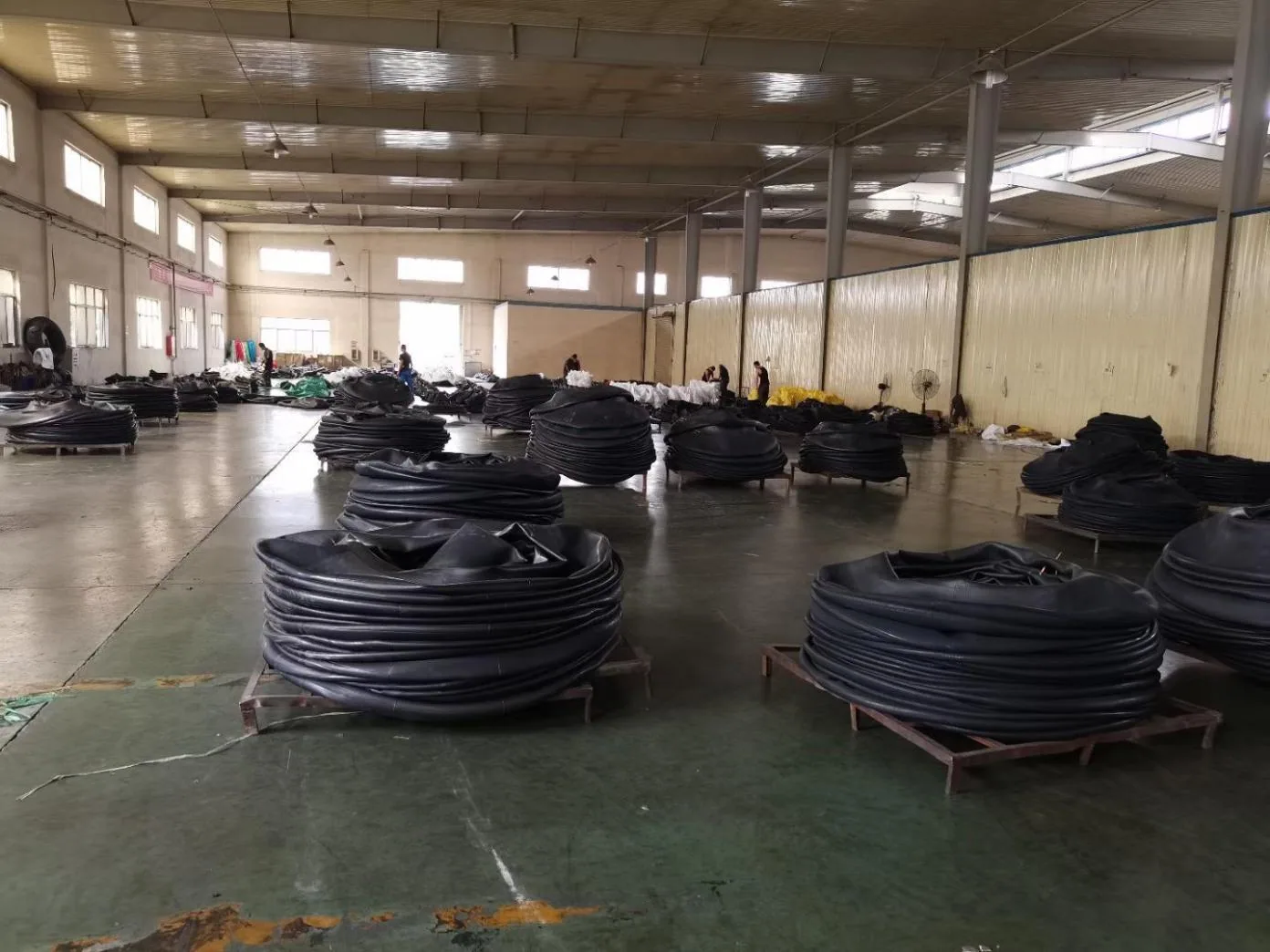
The European Union updated the product scope of the EU Deforestation Regulation during 2026. Several downstream rubber products were removed, but rubber inner tubes remain separately identified under ex 4013. For EU importers, the practical task is to connect the customs classification to the actual rubber material and the company responsible for due diligence.
The three facts buyers should separate
Rubber inner tubes remain relevant under the updated scope
Commission Delegated Regulation (EU) 2026/2102 removes the former entry for ex 4016, covering certain other articles of vulcanised rubber. It does not delete the separate entry for ex 4013 inner tubes. The consolidated EUDR Annex therefore continues to list inner tubes of rubber.
This does not mean that every inner tube shipment automatically has the same compliance profile. The word “ex” narrows the tariff heading to products made from the relevant commodity. Buyers must examine the actual material, the applicable classification and their role in the supply chain.
Why the rubber material matters
JABIL inner tube programmes can be discussed in natural rubber or butyl rubber. Natural rubber produced from Hevea brasiliensis is one of the commodities addressed by the regulation. Butyl rubber is synthetic.
European Commission guidance explains that a product made entirely from a non-relevant commodity is not brought into scope only because it shares a customs code with a product made from a relevant commodity. An EU-facing buying list should therefore state the rubber material for every line instead of using only the general description “rubber inner tube”.
Current implementation dates
The European Commission’s current timetable states that the main requirements apply to large and medium-sized operators from 30 December 2026. Most micro and small operators have a later application date of 30 June 2027. Transitional or role-specific provisions may apply.
The legal responsibility of an EU importer may differ from that of a downstream distributor or a non-EU manufacturer. Buyers should confirm their position with customs and legal advisers rather than relying on a general supplier statement.
Seven records to confirm before ordering
- Complete product identification.Record the tube size, application, valve and product description.
- Rubber material.State natural rubber, butyl rubber or another confirmed compound.
- HS or CN classification.Confirm the code with the importer or customs adviser.
- Country of production.Identify where the finished tube is manufactured.
- Required traceability information.For an in-scope natural-rubber product, agree which origin and supply-chain records are needed.
- Order and batch references.Keep quotation, contract and production references connected.
- Shipment documentation.Agree the required declarations and supporting documents before production and dispatch.
A practical RFQ format for EU buyers
Use separate columns for tube size, application, valve, natural or butyl rubber, quantity, destination, packing, private-label requirements and requested compliance records. This structure allows technical, commercial and compliance teams to review the same product line without mixing natural- and synthetic-rubber specifications.
Use the JABIL Tube Finder to identify catalogue records, review the quality-control process, and place material and documentation requirements in the quotation request. The final material, valve, packing and documentation requirements should be written into the quotation and sales contract.
Verify current rules from primary sources
EUDR dates and product-scope guidance have changed more than once. Importers should work from current official publications, including the European Commission EUDR overview, the consolidated Regulation and Annex I, and Delegated Regulation (EU) 2026/2102.
Preparing an EU buying list?
Connect material records to each inner tube specification.
Send sizes, quantities, destination, rubber material, valve, packing and required documentation for quotation review.
Frequently asked questions
Are rubber inner tubes still included in the EUDR product list?
The consolidated Annex I continues to identify ex 4013 inner tubes of rubber. The exact assessment depends on the product material, classification and the meaning of the ex designation.
Are butyl rubber inner tubes covered by the natural-rubber rules?
Butyl rubber is synthetic. European Commission guidance states that products made entirely from non-relevant commodities are not covered merely because they share a customs code with products made from a relevant commodity. The importer should still verify the material and classification.
Can natural rubber inner tubes require an EUDR assessment?
Yes. Natural rubber from Hevea brasiliensis is a relevant commodity, and an inner tube made from it may require assessment under the applicable Annex I entry.
Is a supplier declaration enough for an EU importer?
Not necessarily. The responsible operator must determine the due-diligence information and evidence required for the transaction under the current rules.
What information should an importer include in an RFQ?
List the tube size, application, valve, rubber material, quantity, destination, packing and required compliance documentation for every product line.